
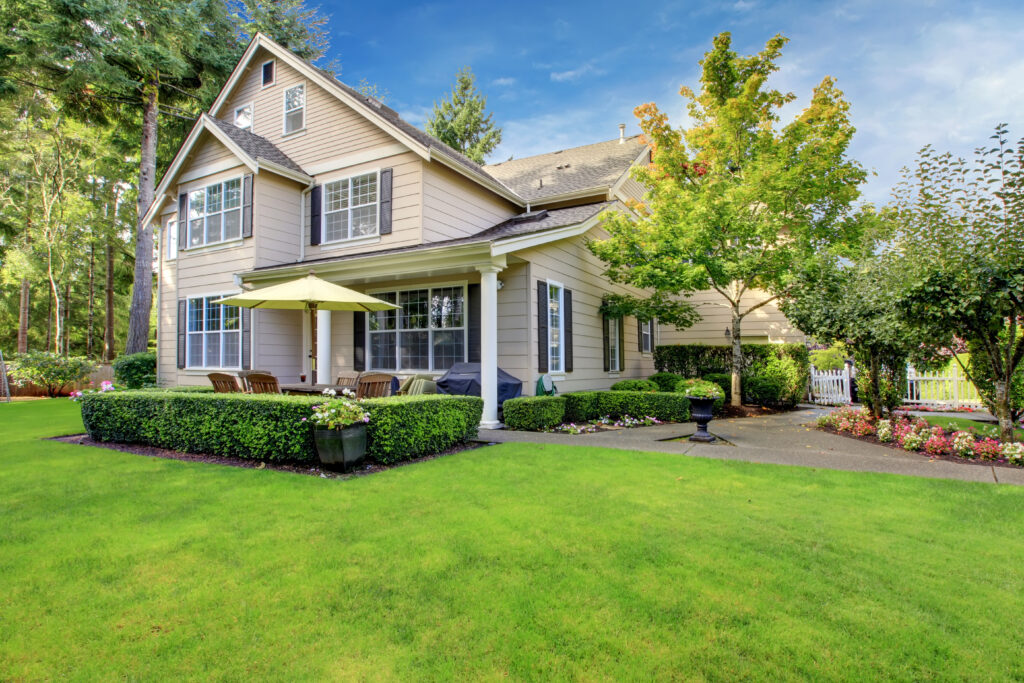
Manhattan, Kansas, sits at the edge of the Flint Hills, surrounded by some of the most intact tallgrass prairie landscape on earth, and it draws a diverse range of buyers and homeowners because of it. Whether someone is relocating for a position at Kansas State University, arriving on PCS orders from nearby Fort Riley, buying their first home after renting near campus, or settling into the area as a long-term resident, the decision to purchase a home here deserves the same careful evaluation as any major investment. A thorough home inspection from Insight Property Inspections gives you a clear, detailed look at the condition of a property before you commit to it, so you can move forward without guessing.
The housing market in Manhattan spans a wide range, from older craftsman and ranch-style homes in established neighborhoods near downtown to newer construction spreading west toward the Wildcat Creek corridor. Each of those property types comes with its own set of considerations, and Kansas’s climate adds another layer: hard winters, active spring storm seasons, and temperature swings that test roofs, foundations, and mechanical systems over time. Insight Property Inspections approaches every home inspection with the full context of what it means to own property in this part of Kansas.
About Manhattan, KS
Manhattan is the seat of Riley County and home to Kansas State University, one of the nation’s leading land-grant research universities with a student body that makes up a significant portion of the city’s roughly 55,000 residents. The university shapes Manhattan’s character in ways that go well beyond football Saturdays and the purple-and-white presence across town. It sustains a consistent rental market, drives faculty and staff relocation cycles, and creates a community with a younger demographic than you might find in comparably sized Midwestern cities. K-State’s agricultural and engineering programs are also woven into the broader region’s economic fabric.
The Flint Hills geography that surrounds Manhattan is genuinely distinctive. The underlying limestone and flint rock that gave the region its name created a terrain too rugged for the plow, which is why the tallgrass prairie survived here when it vanished elsewhere. That same geology shapes some of the local considerations relevant to home ownership, including how water moves through the landscape and how certain gases migrate through soil and into structures. It’s a beautiful and ecologically significant setting, and understanding it is part of understanding what it means to own a home here.
Housing Insights for Manhattan Homeowners and Buyers
Home Inspections
A home inspection is the most complete evaluation you can get of a property’s condition before closing. Insight Property Inspections walks through every accessible component of the home, covering the roof, attic, exterior, foundation, structure, electrical system, plumbing, HVAC, insulation, windows, doors, and interior living spaces. The report that follows is designed to give you real, actionable information, not just a stack of photos and jargon. For buyers, it’s a decision-making tool. For sellers, a pre-listing inspection can surface issues before they become buyer objections.
In Manhattan’s housing stock, that comprehensive approach matters. Homes in the older Northview area and the neighborhoods surrounding campus may have original electrical panels, older plumbing configurations, or roofs that have weathered more Kansas hail seasons than anyone has documented carefully. Newer homes in growing subdivisions on the western and northern edges of the city come with their own considerations around construction quality and whether the builder lived up to what the contract promised. A good home inspector knows what to look for in both contexts.
Radon Inspections
Radon is a naturally occurring gas produced by the decay of uranium in soil and rock. It enters buildings through foundation cracks, gaps around service penetrations, and other openings, and it accumulates to potentially harmful concentrations in homes that lack adequate ventilation or mitigation. Kansas has meaningful radon potential, particularly in areas underlain by limestone and shale formations, which describes much of Riley County and the broader Flint Hills region. The EPA recommends testing for all homes because levels vary widely even between neighboring properties, and there is no safe threshold below which testing can be skipped with confidence.
Radon testing is straightforward, non-invasive, and provides the kind of definitive answer that allows homeowners and buyers to take appropriate action. If levels return to elevated levels, mitigation systems are available and effective. If levels are low, you have documented peace of mind. Either way, you know.
Infrared Inspections
Thermal imaging adds a dimension to home inspection that visual observation alone simply cannot provide. An infrared camera detects temperature differences across surfaces, revealing patterns that indicate moisture intrusion, missing or compromised insulation, HVAC distribution problems, and electrical components running hotter than they should. The applications in Kansas homes are practical and frequently relevant: heat loss through under-insulated walls and attic planes during cold winters, moisture moving into exterior walls after rain or storm events, and electrical panel or wiring conditions that would be invisible without the camera.
Insight Property Inspections uses infrared technology as an integrated part of the inspection process, which means the information gathered by the thermal camera informs the overall findings and report rather than existing in a separate silo. For buyers who want to understand not just what a home looks like but what it’s actually doing thermally and mechanically, infrared inspection is one of the more valuable tools available.
Popular Neighborhoods in Manhattan, KS
Manhattan’s residential landscape has grown steadily outward from its original core near downtown and the university. The Northview area on the north side of town is one of the city’s more established residential neighborhoods, with a mix of mid-century ranch homes and split-levels on tree-lined streets that have seen generations of Manhattan families.
The neighborhoods surrounding the K-State campus and extending along Anderson Avenue include everything from student-dense rental properties to owner-occupied homes maintained by faculty, staff, and long-term residents who want the convenience of a walkable university setting. Aggieville, the entertainment district just northeast of campus, anchors a surrounding residential area with a distinct energy and a housing stock that draws a mix of renters and buyers who appreciate proximity to the city’s most active commercial corridor.
On the western and southern edges of the city, newer developments like Scenic Hills and the subdivisions along the Wildcat Creek corridor represent Manhattan’s recent growth. These areas feature newer construction on larger lots, attracting buyers who want modern amenities and a quieter setting while staying within easy reach of the university and downtown. The areas along the Kansas River valley on the east side of the city offer a different character, with older established blocks and river access that appeals to buyers looking for something with a bit more history and land.
Local Attractions and Activities
Manhattan’s location at the gateway to the Flint Hills puts some remarkable natural and cultural destinations within easy reach. The Flint Hills Discovery Center in downtown Manhattan is an interpretive center dedicated to the ecology, history, and culture of the tallgrass prairie, with exhibits that give visitors a genuine understanding of why this landscape is so rare and significant. It’s one of the more impressive regional discovery centers in the state and a genuine point of local pride.
Tuttle Creek State Park, just north of the city along Tuttle Creek Lake, is one of the largest reservoirs in Kansas and a hub for boating, camping, fishing, and hiking. The park draws locals and visitors throughout the warm months and provides a natural recreation anchor for the community. The Konza Prairie Nature Trail, managed by the Nature Conservancy and Kansas State University, winds through restored tallgrass prairie on the limestone ridges southeast of Manhattan, offering one of the most authentic tallgrass prairie walking experiences available anywhere in the country. Pillsbury Crossing Wildlife Area, east of the city, is a scenic limestone creek crossing and swimming hole that has drawn Manhattan residents for generations and remains a beloved local spot.
Why Choose Insight Property Inspections for Your Home Inspection?
Choosing the right home inspector in Manhattan means choosing someone who understands the specific conditions of this market and this climate. Insight Property Inspections brings that local knowledge together with a thorough, technology-supported approach that goes deeper than a surface-level walkthrough.
The combination of a comprehensive home inspection, radon testing, and infrared thermal imaging in one place means clients get a complete picture of a property’s condition without having to coordinate multiple providers. Whether you’re buying your first home near campus, relocating to the area for work or military service, or simply keeping tabs on a property you’ve owned for years, Insight Property Inspections is ready to give you the clear, accurate assessment you need to make confident decisions.
Schedule Your Home Inspection in Manhattan, KS Today
Ready to get your inspection scheduled? Insight Property Inspections serves Manhattan and the surrounding north-central Kansas region, including Junction City, Wamego, Clay Center, Salina, Topeka, and Concordia. Contact us today to schedule your home inspection, radon test, or infrared inspection appointment and get the informed perspective that serious buyers and homeowners rely on.